
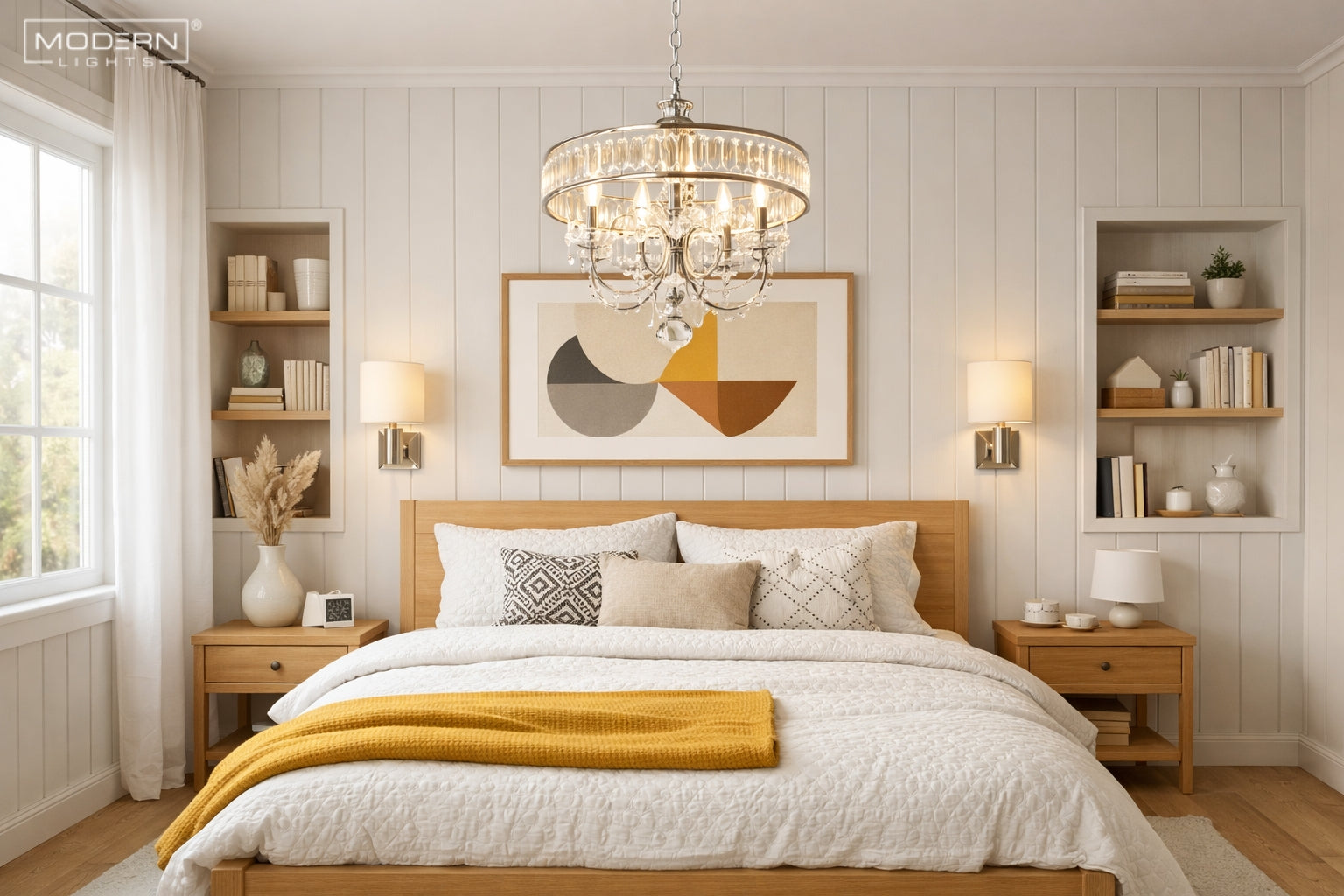
Lighting is one of the most important parts of house design that people don't think about enough. It can change how a room appears and feels. A lot of homeowners spend a lot of time picking out furniture, paint, and decorations, but they typically put off making decisions about lighting. This can make spaces feel imbalanced, dark, or uncomfortable to dwell in.
A well-planned lighting arrangement makes things work better and look better. The correct modern light fixtures may change a room drastically, while the wrong ones might make it less useful. Knowing about typical lighting problems will help make sure that every space in your home feels welcoming, useful, and complete.
Why Proper Lighting Matters in a Home
Lighting is quite important for how a space feels and how easy it is to use. Good lighting makes a home feel warm, cozy, and simple to get around. Bad lighting can make rooms appear smaller or less inviting, and it can also make shadows and strain the eyes.
Good lighting makes a room's design stand out and helps with everyday tasks. It helps to define spaces, make things easier to see, and bring out architectural details. But if the lighting is not organized well, it might make things too bright or not bright enough.
To get the right balance, many modern homes use a variety of fixtures. Choosing the appropriate way to light a room makes sure that it looks and feels practical while keeping the design clean and consistent.
Not Layering Your Lighting Properly
One of the most common mistakes homeowners make is relying on a single type of lighting. A well-designed space should include multiple layers to create depth and flexibility.
Ambient Lighting
Ambient lighting provides general illumination for the entire room. It is usually achieved through ceiling lights, chandeliers, or recessed lighting. This layer ensures that the space is bright enough for everyday use.
Task Lighting
Task lighting focuses on specific areas where additional brightness is needed. This includes lighting for reading, cooking, or working. Pendant lights, table lamps, and desk lighting are commonly used for this purpose.
Accent Lighting
Accent lighting highlights features such as artwork, textures, or architectural elements. Wall lights and decorative fixtures are often used to create contrast and visual interest. Using only one layer results in flat lighting, while combining all three creates a more dynamic and comfortable environment.
Choosing the Wrong Size Light Fixtures
The size of the fixtures is quite essential for how balanced a room looks. Picking the wrong size might throw off the whole design. In bigger rooms, small fixtures can get lost and not give off enough light. But on the other side, too big fixtures might make the room feel cramped and congested. This is especially true for chandeliers and ceiling lights that draw the eye.
Choosing the proper size will make sure that the fixture adds to the room instead of taking away from it. The size of the room and the placement of the furniture should always fit the proportions.
Ignoring Ceiling Height
When picking lighting, you should constantly think about the height of the ceiling. Putting in the wrong kind of fixture might make things less comfortable and look bad. Flush-mount ceiling lights/ semi-flush mount fixtures are frequently the best choice for rooms with low ceilings. They give off enough light without taking up too much vertical space. More space is available with higher ceilings. You can fill the space and make a big visual effect with bigger chandeliers or hanging lights. Choosing the right sort of fixture for the height of the ceiling makes sure that it works well and is the right size.
Poor Placement of Lighting Fixtures
If they aren't set up right, even the greatest lights can work poorly. Placement has an effect on both how well something works and how well it fits in with the rest of the room. One common mistake is putting a dining room light over the dining table that isn't centred or putting the lights too far apart. Linear suspension lights are typically used over dining tables in modern designs to make sure that the light is even and that it stays in line with the furniture. Putting things in the right spot makes sure that light is spread properly and keeps undesirable shadows from forming. Planning where the fixtures will go ahead of time makes the lighting design more unified.
Relying Only on Ceiling Lights
A lot of people who own homes rely on ceiling lights to light their homes. They give forth a lot of light, but they can also make the light too harsh and lack depth. It works better to use ceiling lights with other lights. Table lamps, floor lamps, and wall lights all contribute to making the light softer and the room more comfortable. You may change the brightness of your lights by layering them in different ways depending on the time of day or what you're doing. This method makes the area more flexible and gives it a better overall vibe.
Not Considering Room Function
Lighting should match the purpose of each space in a house. Using the same lighting style in all places often doesn't work well. The kitchen lights are bright and focus on the places where food is prepared. Bedroom lights are softer and more restful. Most of the time, living room lights have both ambient and accent lighting to make the area feel balanced. Knowing how each room will be utilised can help you pick the proper fixtures and where to put them. This makes sure that the illumination is both useful and comfortable.
Skipping Outdoor Lighting
People often forget about outdoor lighting, although it is very important for both safety and curb appeal. Hallways and entryways can be hard to get around in at night without the right outside lights. Good outdoor lighting makes it easier to see and draws attention to the outside of your property. Backlit address numbers and other features make it easier to read while also giving it a modern, polished look. Adding outdoor lighting to your overall plan makes sure that your home looks finished and works well both inside and out.
Choosing Style Over Function
It's crucial for lighting to appear good, but if you solely care about style, it can hurt performance. A fixture may look nice but not give off enough light. Lighting should always be a good mix of style and usefulness. The idea is to pick lights that make the room look better while still giving off the proper quantity of light. When you think about brightness, placement, and purpose, you can make sure that your lighting performs well without sacrificing style.
Using Incorrect Light Temperature
The warmth of the light in a room changes how it feels and how colours look. If you choose the wrong temperature, the room may not feel right or pleasant. Warm lighting is great for bedrooms and living spaces because it makes them seem cosy and restful. Kitchens and offices where clarity is crucial do better with cooler illumination. You may make a place more comfortable and useful by matching the colour of the light to the room's purpose.
FAQ’s
What is the most common lighting mistake?
One of the most common mistakes is relying on a single light source instead of layering different types of lighting.
How do I fix poor lighting in my home?
Start by adding multiple light sources, improving placement, and choosing fixtures that match the room’s size and purpose.
What type of lighting is best for modern homes?
Modern homes typically use a mix of chandeliers, pendant lights, ceiling fixtures, and accent lighting to create a balanced design.
How many lights should a room have?
The number depends on the size and function of the room, but most spaces benefit from layered lighting rather than a single fixture.
Conclusion
Lighting plays a crucial role in how your home looks and functions. Avoiding common mistakes such as poor placement, incorrect sizing, and a lack of layering can significantly improve your space. From chandeliers and ceiling lights to floor lamps and wall lighting, each fixture contributes to the overall design. For exterior areas, incorporating backlit address numbers and outdoor lighting enhances both visibility and curb appeal. Taking the time to plan your lighting carefully ensures a balanced, comfortable, and visually appealing home.
Share:
How to Plan Lighting for a New House?
Modern Bedroom Lighting Ideas for a Cozy Space